Evie Hannigan
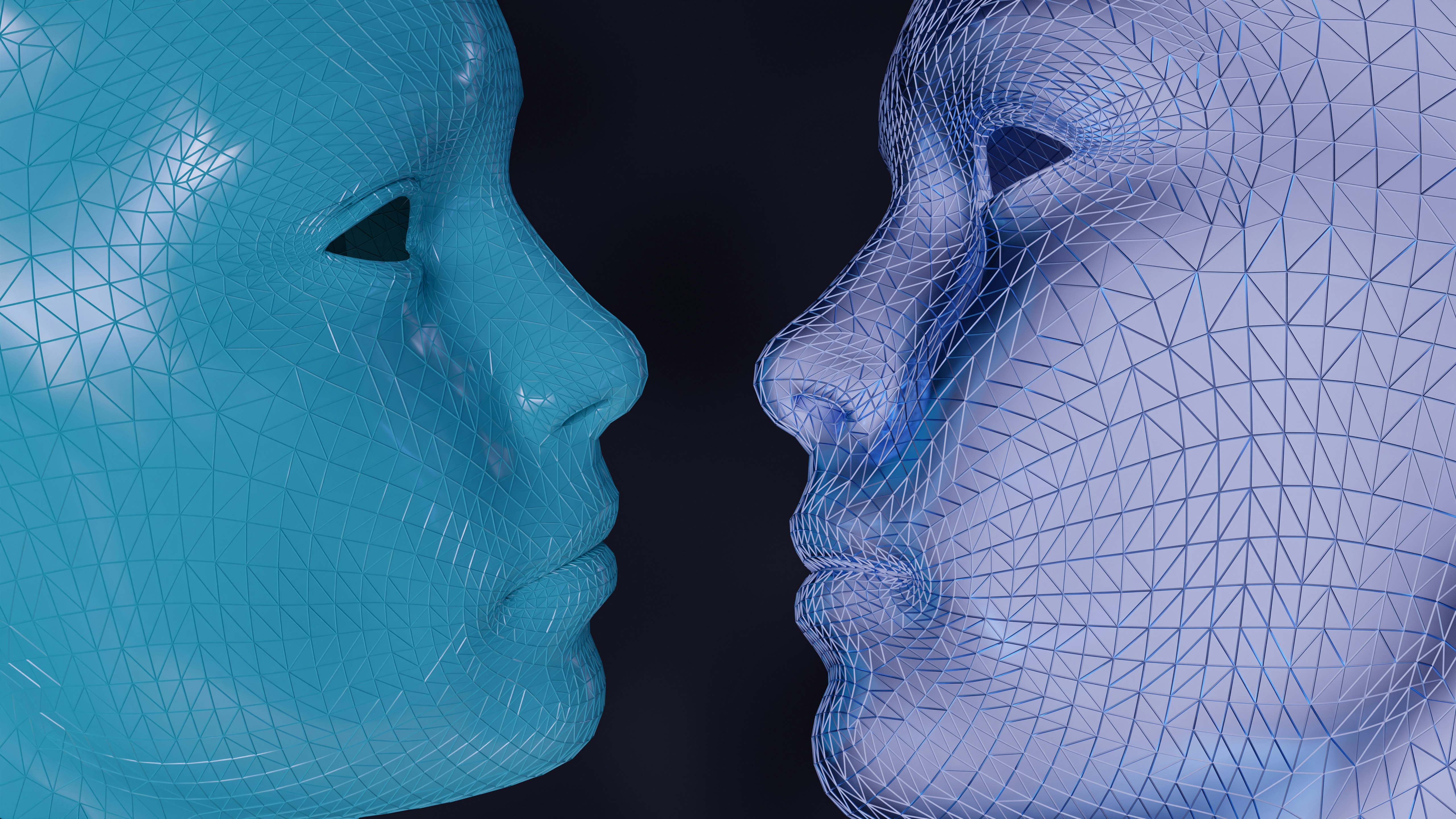
This research investigated differences in visual attention and emotion recognition between generative AI and human facial images. It is becoming increasingly challenging for the brain to differentiate between AI-generated and real faces with the rise of hyperrealism. Previous studies suggested that people could easily tell the difference between humans and AI. However, advancements in AI technology necessitated further investigation of this topic. Using eye-tracking technology, this project examined whether human visual systems are confused by AI-generated faces. This research is necessary to help prevent the risks of AI deception in digital fraud and disinformation.
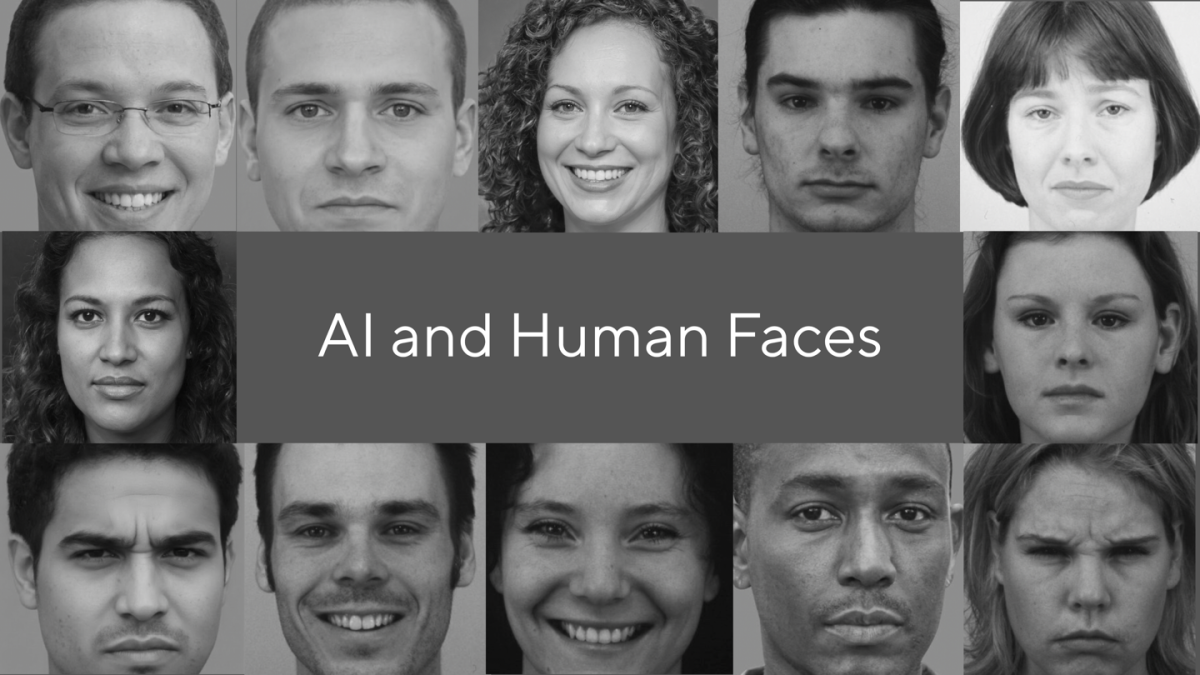
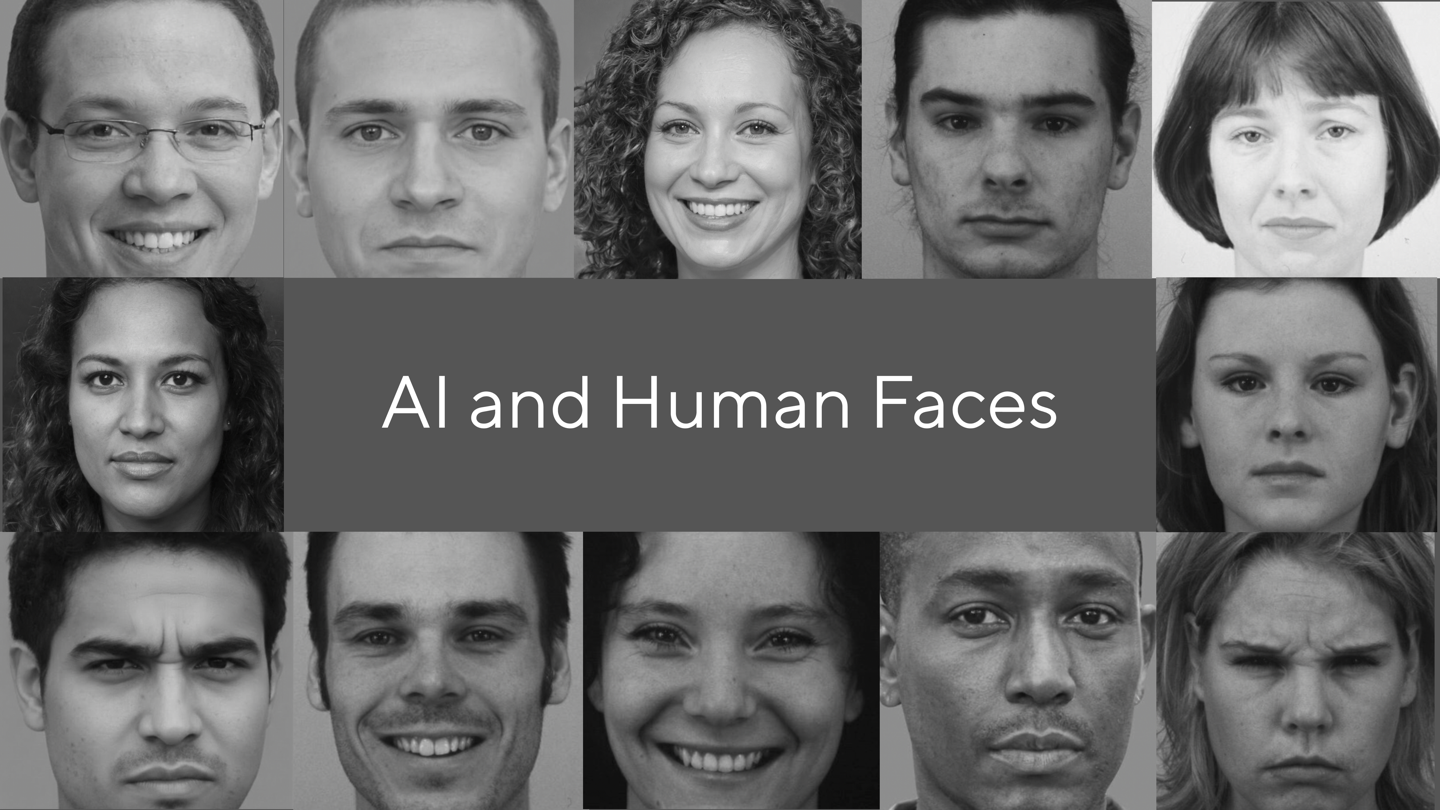
This eye-tracking experiment examined differences in visual attention and recognition accuracy across face types (human and AI-generated) and emotion categories (positive, negative, and neutral). It employed a quantitative, within-groups 2x3 factorial design. A total of 33 university student participants were recruited via convenience sampling (27.3% male, 69.7% female, 3% gender diverse) with a mean age of 22.06 (SD = 1.69 ). Participants viewed 12 facial images (including six AI and six human faces, comprising two of each emotion category), while a Tobii Pro Spark eye-tracker measured fixation durations on diagnostic features (i.e., the eyes and mouth). Participants were also asked to categorise each face as either "human" or "AI" to measure their recognition accuracy. The five hypotheses were that:
1) There would be a difference in fixation durations on facial features based on face types viewed (AI-generated faces or human faces)
2) There would be a difference in fixation durations based on the emotion category viewed (positive, negative, or neutral)
3) There would be an interaction between face type and emotion category on fixation duration of facial features
4) Participants would demonstrate higher recognition accuracy for human faces compared to AI-generated faces
5) The recognition accuracy ratio for AI-generated faces would vary depending on the emotional expression presented (positive/negative/neutral)
Results suggested that the human visual system treats AI-generated and human faces similarly. It was found that there was no significant difference in how long participants fixated on either face type. However, the emotion category affected visual attention and had participants fixating longer on positive expressions, regardless of whether the face was real or AI.
Participants demonstrated significantly higher recognition accuracy for human faces compared to AI-generated ones, indicating participants more frequently misidentified AI-generated faces as human. No significant difference in recognition accuracy for AI-generated faces across emotional expressions was found.
These findings illustrate the need to develop transparency laws to prevent AI-enabled fraud. Future studies could investigate whether AI recognition accuracy is higher for dynamic media, such as video stimuli, to better understand the role of micro-expressions in visual recognition.
Hi, my name is Evie Hannigan. I am a final-year BSc (Hons) Applied Psychology student at IADT. While completing this course, I have gained experience in both research and clinical work.
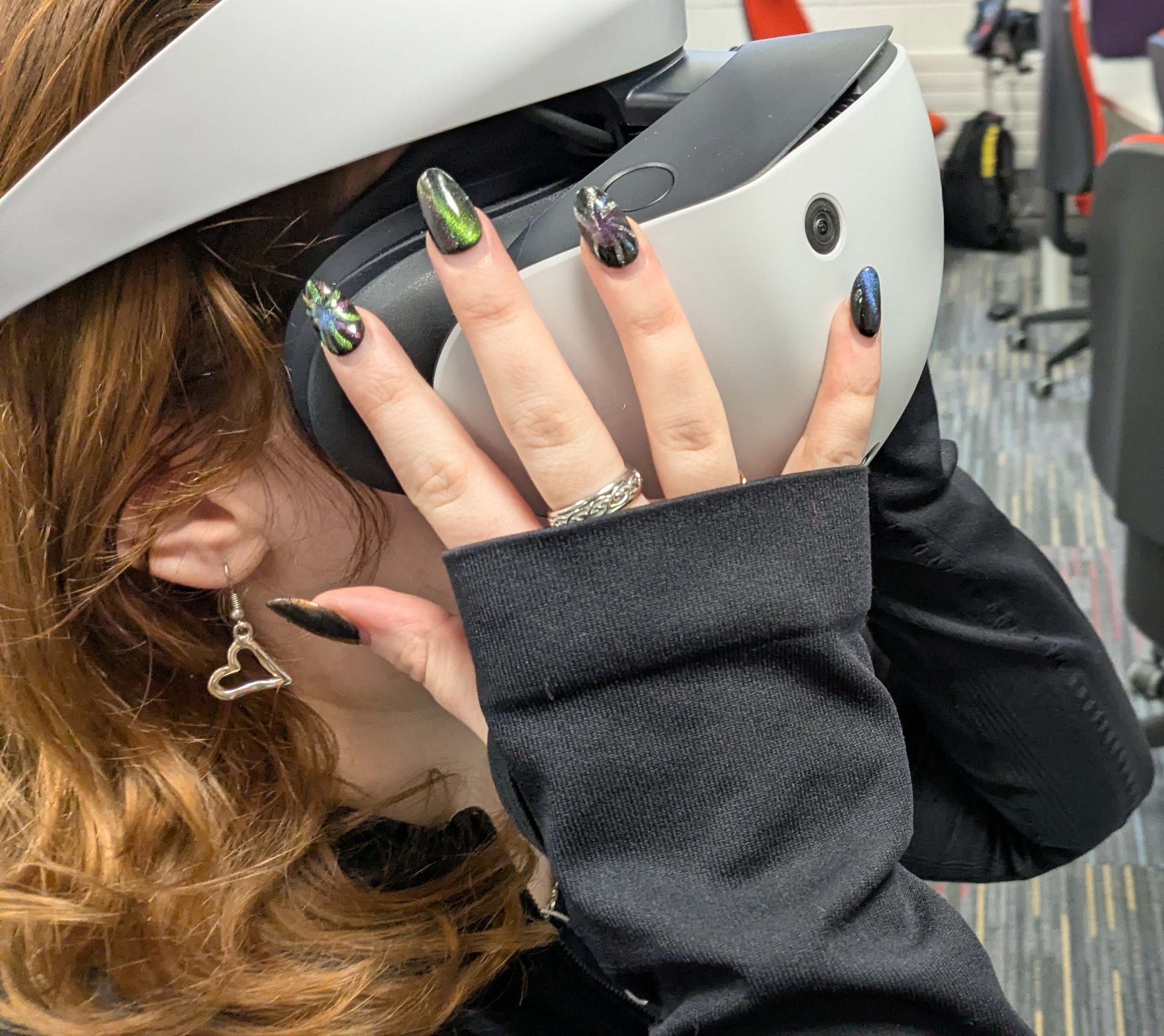
I was able to use advanced eye-tracking technology and took part in a placement with a Clinical Psychologist. Due to these opportunities, I have been able to develop skills in both data collection and clinical practice.
These experiences have helped create a passion for understanding human behaviour. My goal after I graduate is to gain placement experience before pursuing a Master’s in Counselling Psychology.