Ryan Finnigan
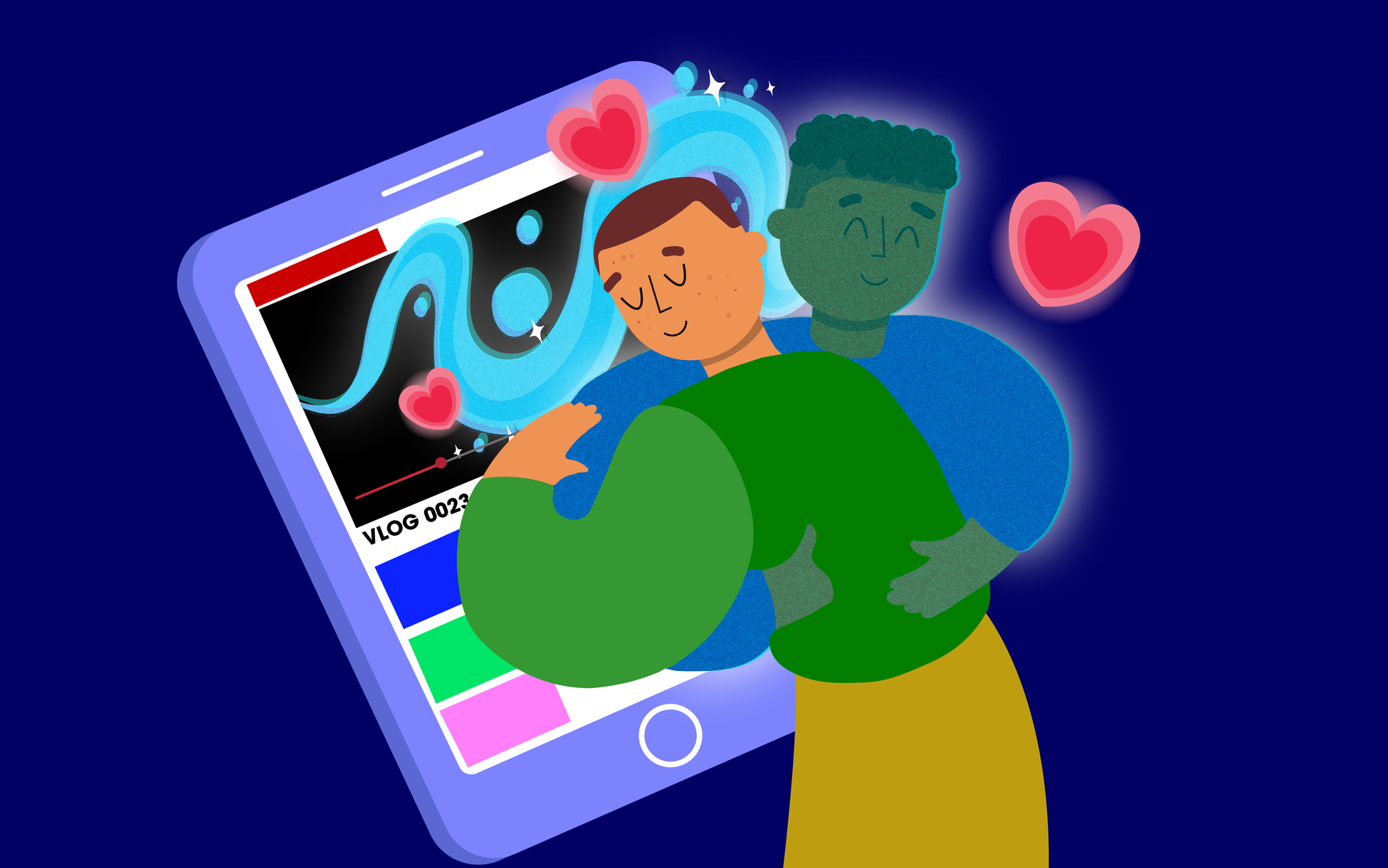
This project explored how individuals with Down syndrome are represented and discussed in a YouTube comment section. Reflexive thematic analysis was used to enable iterative engagement with the 300 publicly available extracted comments. Despite policy advancements promoting inclusion and autonomy for people with disabilities, little research has examined how public attitudes manifest in everyday online discourse. The four themes and four sub-themes identified illustrated that policy change alone may not be sufficient to create lasting social change, and that further education and behavioural interventions may be necessary to reduce stigma and encourage more accepting attitudes toward individuals with intellectual disabilities.
The main aims of this project were to explore: (1) how people with Down syndrome are framed on public social media platforms, and (2) how stigma is constructed and expressed in social media discussions concerning Down syndrome. While governments and organisations continue to implement policies and interventions promoting autonomy, inclusion, and equality for individuals with disabilities, these changes may have limited impact if broader societal beliefs do not develop alongside them.
Qualitative reflexive thematic analysis was used to examine 300 publicly available YouTube comments from a Down syndrome awareness video. Comments were collected using a stratified systematic sampling method. Online comment sections were chosen as a site for data collection with the aim of capturing unfiltered expressions of public opinion. By analysing these interactions, the project aimed to examine how stigma, humour, support, and perceptions of competence emerge within everyday online discourse. Four themes and four subthemes were constructed. These themes are listed in order of prevalence within the dataset.
The first theme was Infantilisation and the Policing of Competence, which highlighted how commenters met the expression of adult autonomy with disbelief, instilling their own infantilising narrative and expressing limits as to what the individual can do at an adult level. Within this theme, two subthemes were identified. Sexual Boundary Policing, which functioned to deny adult sexuality for the individual, and Meme-Based Infantilisation, which relied on recurring internet tropes to express infantilising views of the individual. The second theme, Humour as a Mode of Engagement, demonstrated how a single theme can function ambivalently through two smaller subthemes. Some humour encouraged the individual and expressed camaraderie, while other forms of humour operated to ridicule, mock, or distance themselves from the message. The third theme, Supportive and Celebratory Responses, operated as counter-discourse within the dataset, expressing alignment with the individual's message and pushing back against infantilising or offensive comments. Finally, Lived Experience as an Interpretive Resource showed that personal experience and close proximity to individuals with a disability seemed to foster understanding and acceptance of adult autonomy. This suggested that familiarity with disability is a potential indicator of positive engagement. The findings highlight that despite policy advancement, public attitudes have not caught up and further interventions may be needed.
My name is Ryan Finnigan and I am originally from Wexford. I have been living in Dublin for the past five years, in which I have complete a PLC in Applied Psychology at BFEI, and more recently a level 8 BSc in Applied Psychology at IADT. My interests lie in clinical and neuro psychology, but my thesis is inspired by my employment in the disability sector. I am passionate about assisting those with illnesses and disabilities and hope to bring my psychological insight to aid the development of modern mental health interventions.