Daniel Kennedy
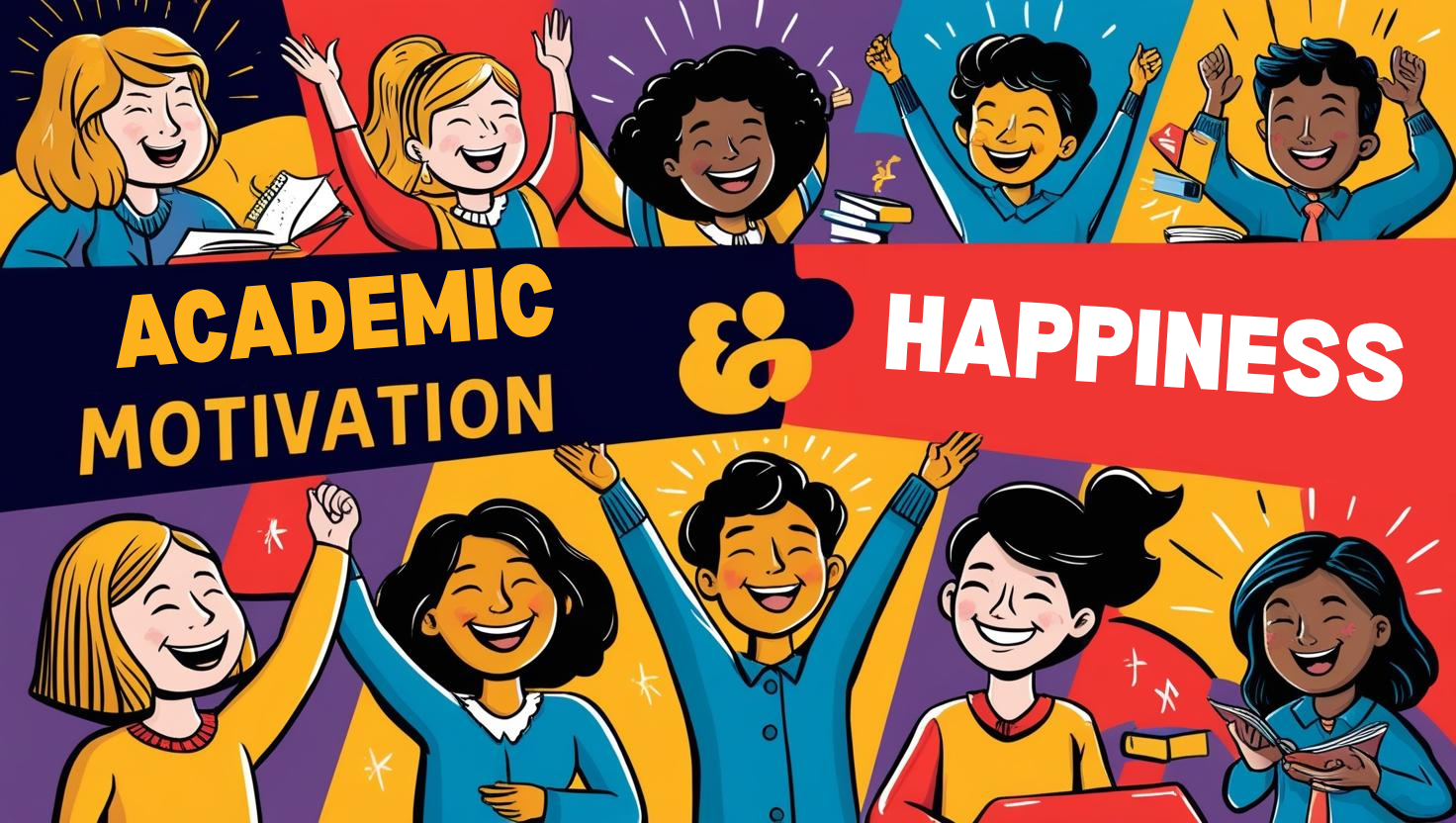
There has been a rapid increase in the accessibility and usage of artificial intelligence in recent years, rendering most industries adopters of this emerging technology, including university students. Additionally, there is limited research comparing academic self-efficacy and environmental identity in university students from different courses, among students who use AI for academic purposes. This study compared 58 IADT students from the Applied Psychology and Creative Computing courses. Although no statistically significant differences were found, the results of this study add to the growing body of research concerning AI use amongst university students and the relationship between academic self-efficacy and environmental identity.
This study aimed to investigate differences in academic self-efficacy and environmental identity in Applied Psychology and Creative Computing students in IADT who had used AI for academic purposes. These courses were compared because Computer Science students in an Irish university setting have previously reported higher familiarity with, and acceptance of, AI compared to other courses. The study was guided by Social Cognitive Theory and posed three hypotheses: (1) that there would be a relationship between academic self-efficacy and environmental identity in students; (2) that there would be a significant difference in academic self-efficacy between Applied Psychology and Creative Computing students; (3) and that there would be a significant difference in environmental identity between Applied Psychology and Creative Computing students. The study had initially posed a fourth hypothesis, that there would be a multivariate difference in academic self-efficacy and environmental identity between students across both courses. However, preliminary assumption testing for a MANOVA (which was the planned statistical analysis) revealed academic self-efficacy and environmental identity to be insufficiently correlated, therefore the fourth hypothesis was not tested.
The results of two one-way ANOVAs (the mathematical equivalent of two t-tests in this case) revealed no statistically significant differences in students' academic self-efficacy or environmental identity, based on their course (Applied Psychology and Creative Computing). Additionally, the findings of a Pearson's correlation indicated no statistically significant relationship between academic self-efficacy and environmental identity in the study's sample. The results indicated that students who had used AI for academic purposes, regardless of course, reported high academic self-efficacy and environmental identity. These findings align with previous research that reported AI use for academic purposes was positively associated with students' academic self-efficacy, and that students’ courses are reflective of their environmental identity rather than a determining factor. The findings of this study contribute to the under-researched body of information regarding students' use of AI, as well as their academic self-efficacy and environmental identity. This study's findings suggest there may be a lack of awareness among students of the environmental impact of using AI. Future research could investigate whether students' awareness of the environmental impact of AI influences their perceptions of AI or use of AI for academic purposes.
My name is Daniel Kennedy, and I am a fourth year Applied Psychology student. I have been very fortunate during my studies in IADT, having travelled to Tallinn University in Estonia to study forensic psychology for a week, experienced volunteering with a youth organisation during the placement module, researched many diverse areas of psychology, and developed my skills in research and statistics. Through this unique blend of fulfilling opportunities, I have been inspired to pursue a career in helping others in the future, and I have garnered a particular interest in neuroscience and environmental psychology.