Kerry Hamill
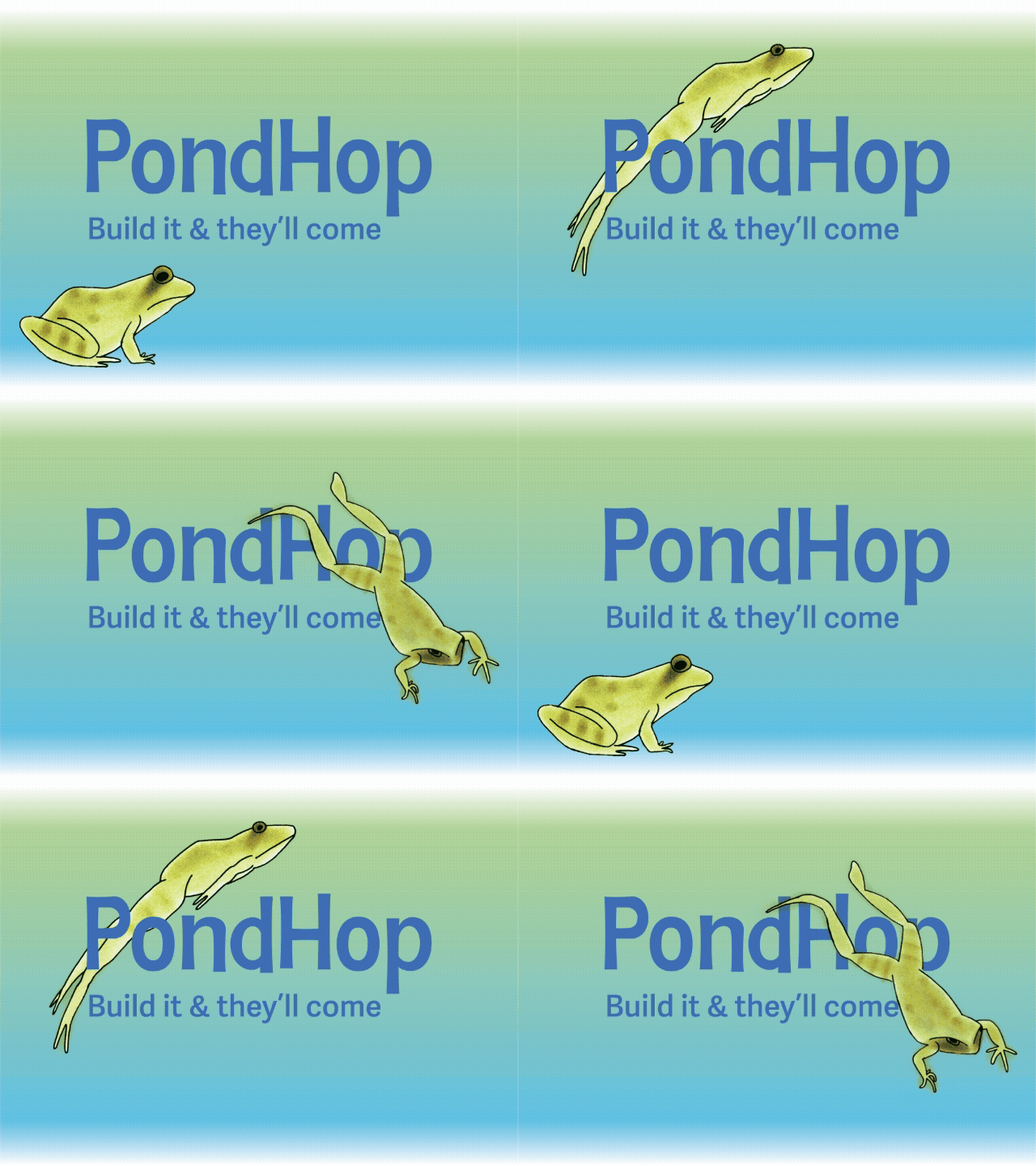
PondHop is a collaborative initiative bringing together people across the island of Ireland to create a landscape where wetland habitats can increase. Through the addition of garden ponds, Ireland’s biodiversity can survive and flourish.
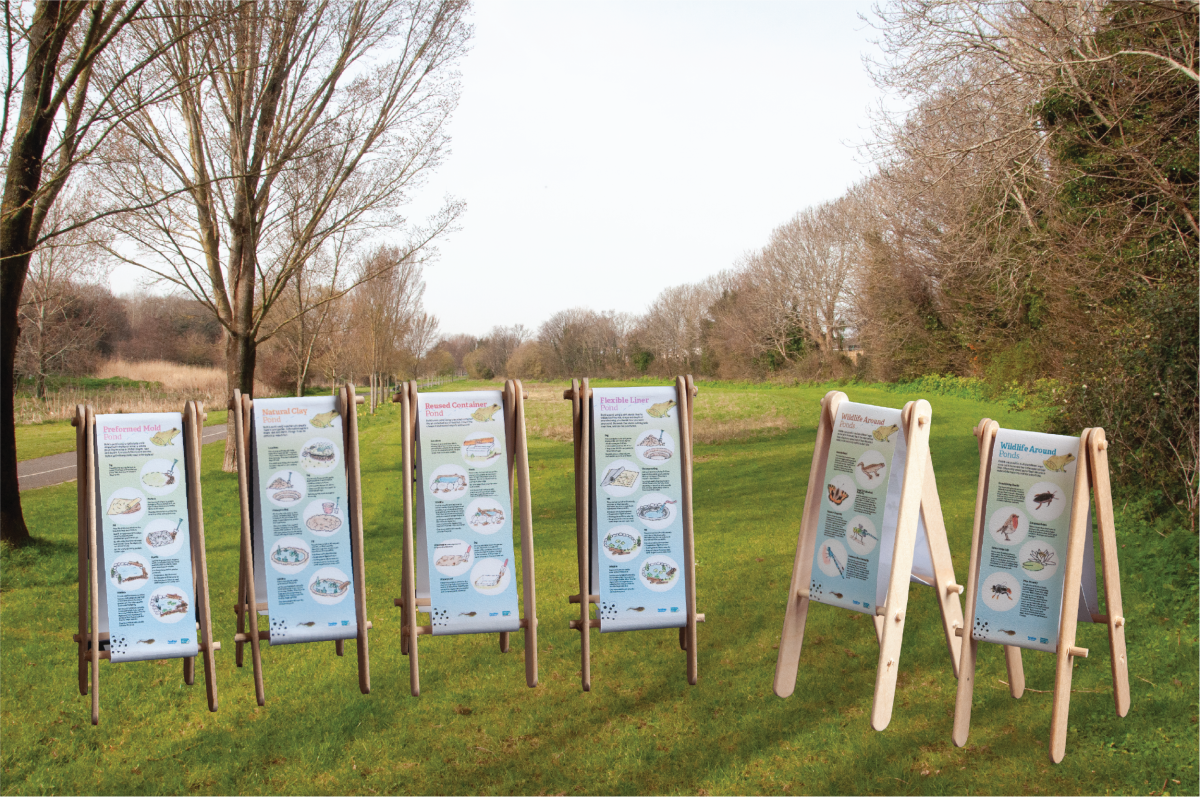
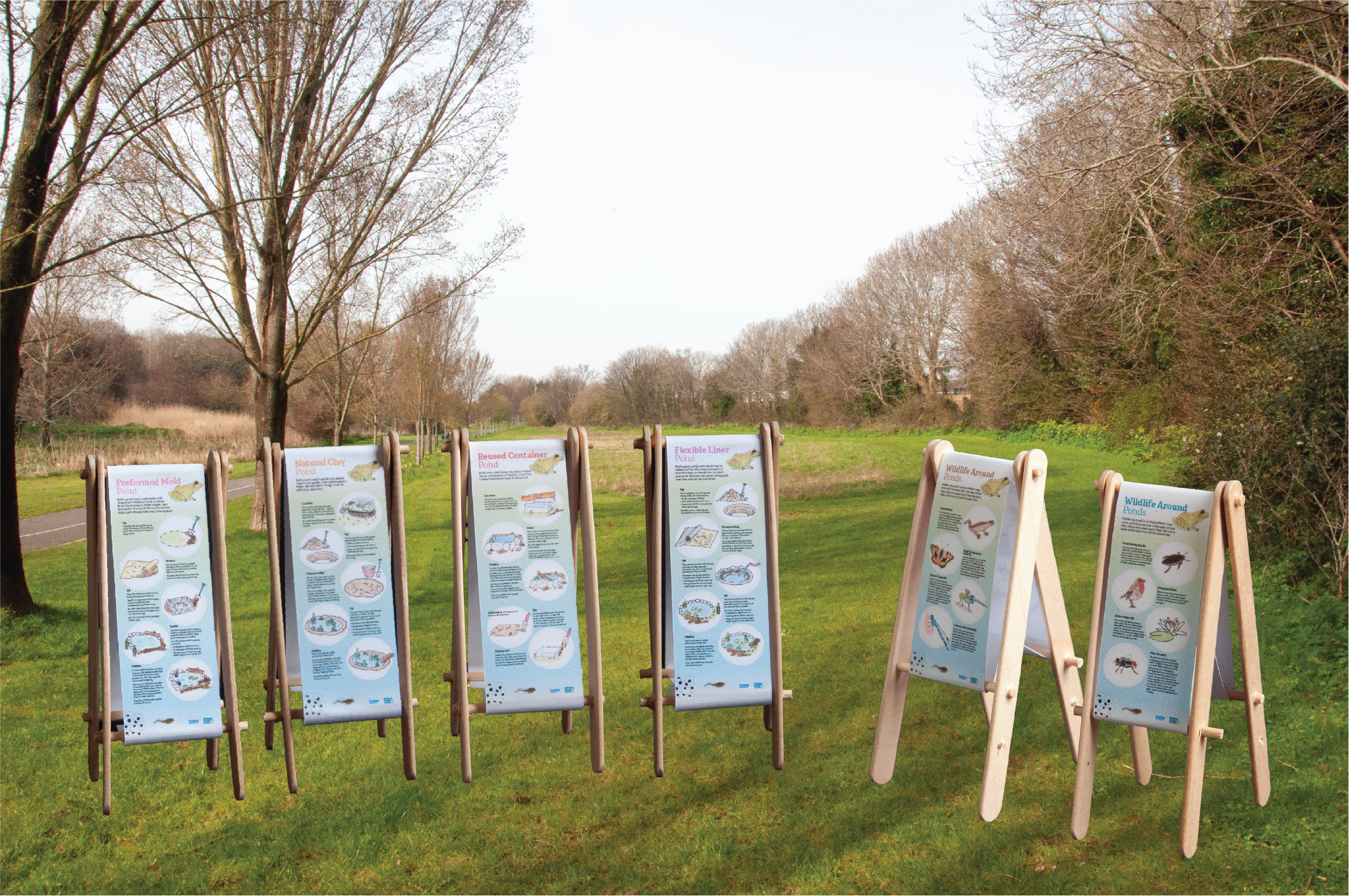
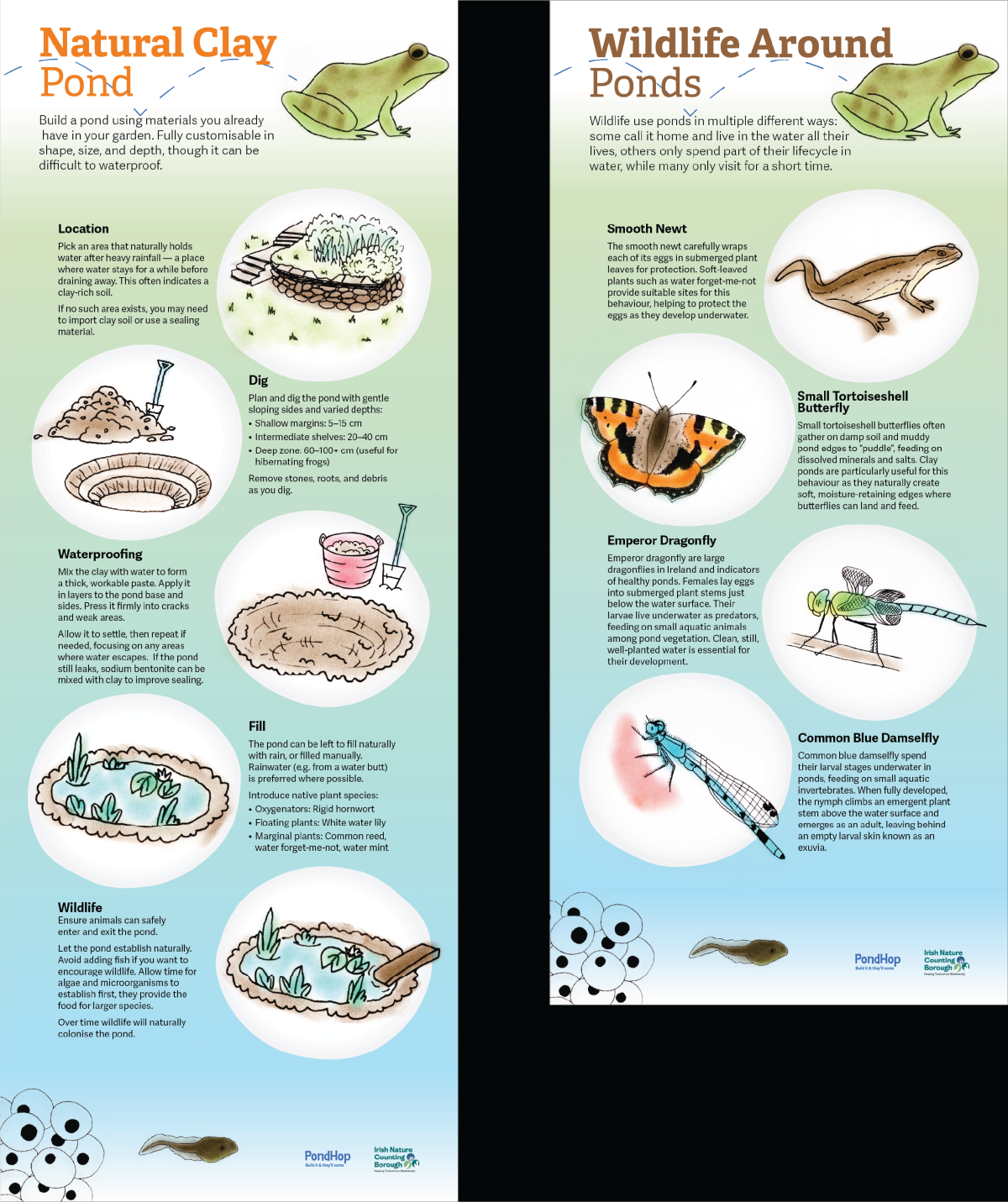
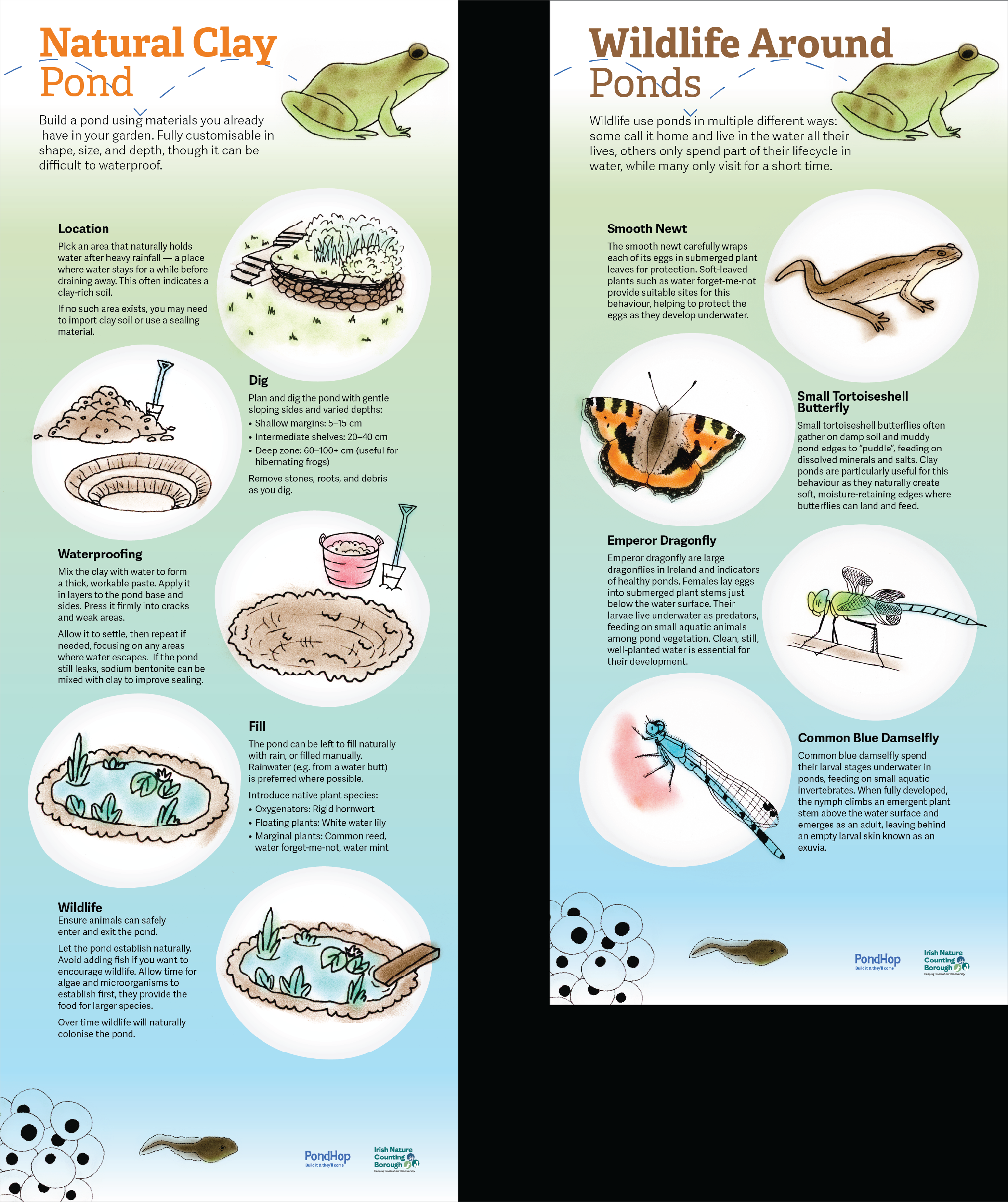
I want to help Ireland’s biodiversity by providing much-needed replacements for wetland habitats. Nature is declining globally, and species extinctions are accelerating. This is happening on our doorstep, with the number of threatened species increasing across Ireland. One contributing factor is habitat loss. The number of wetland habitats, including farmland ponds, has decreased dramatically in the last century. However, there are approximately 2 million gardens in Ireland, accounting for over 350,000 acres of land. If we can encourage even a small percentage of the population to add a pond (large or mini) to their garden, it would provide much-needed habitats for many wetland species.
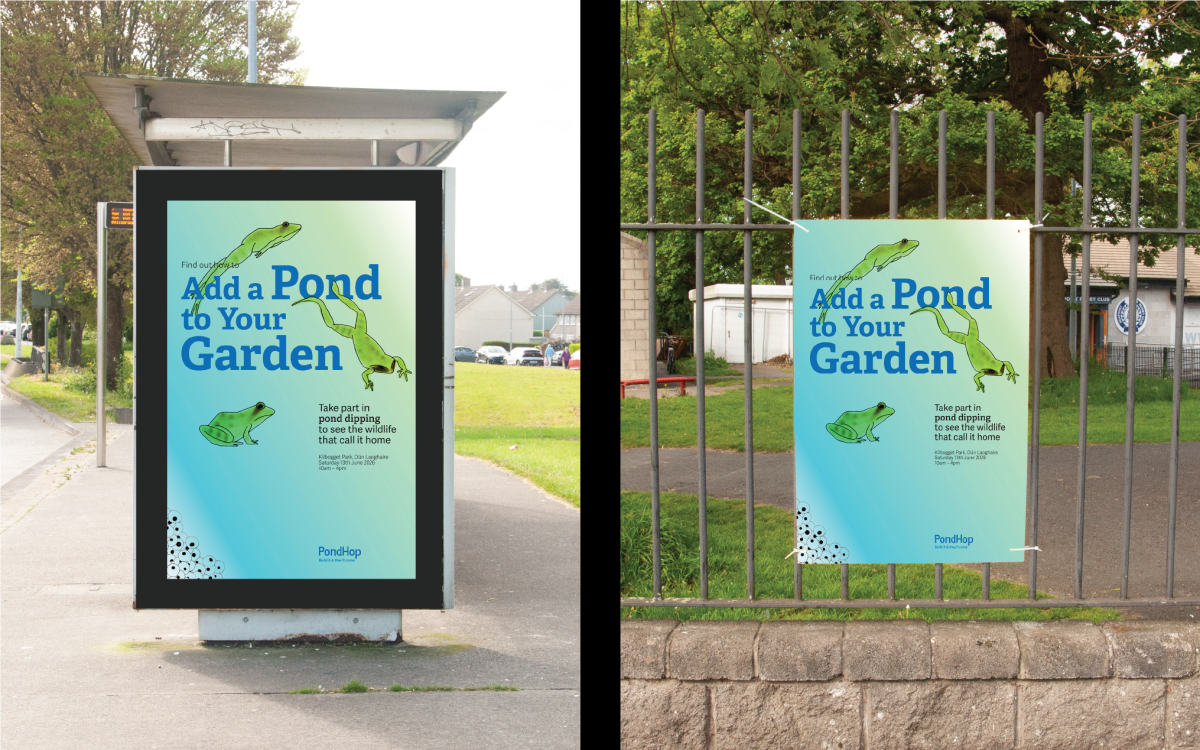
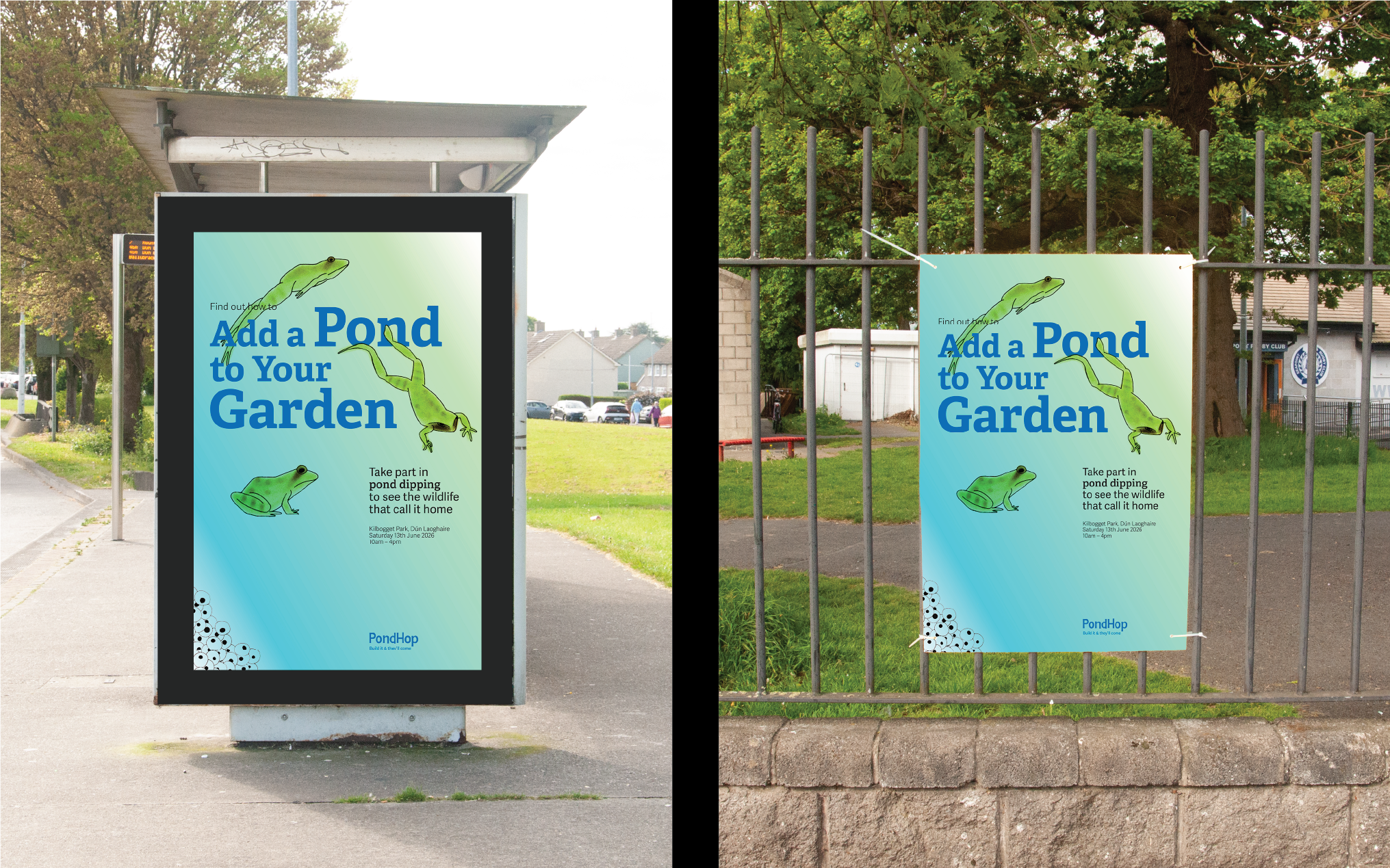
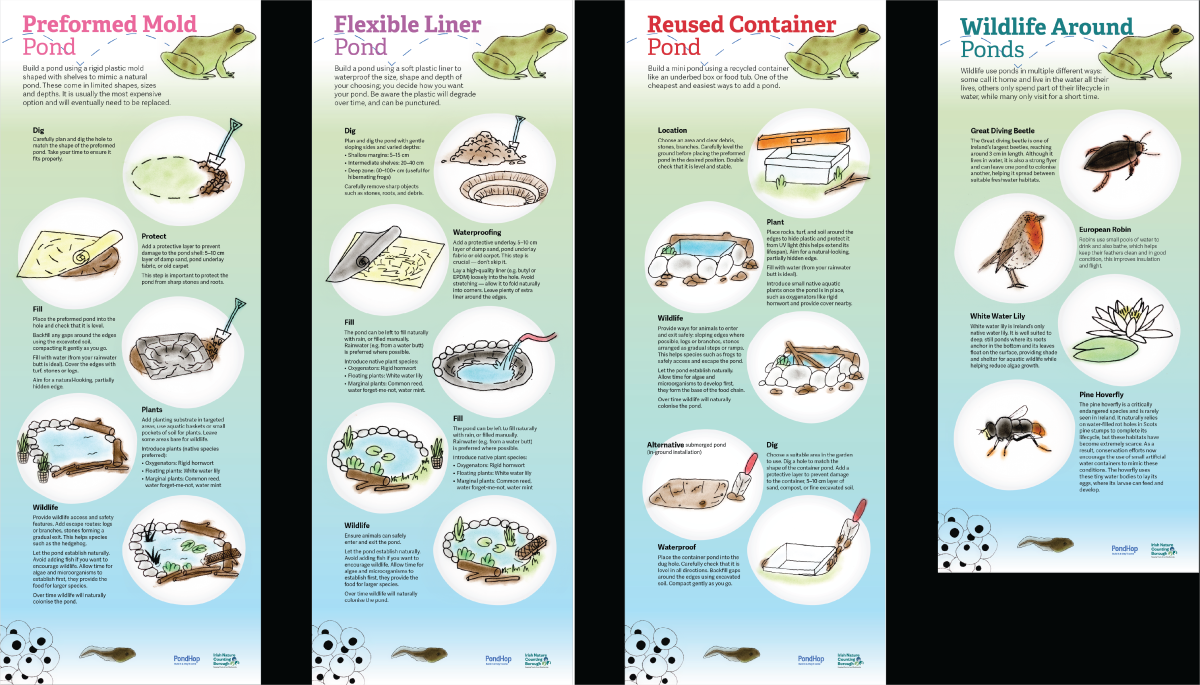
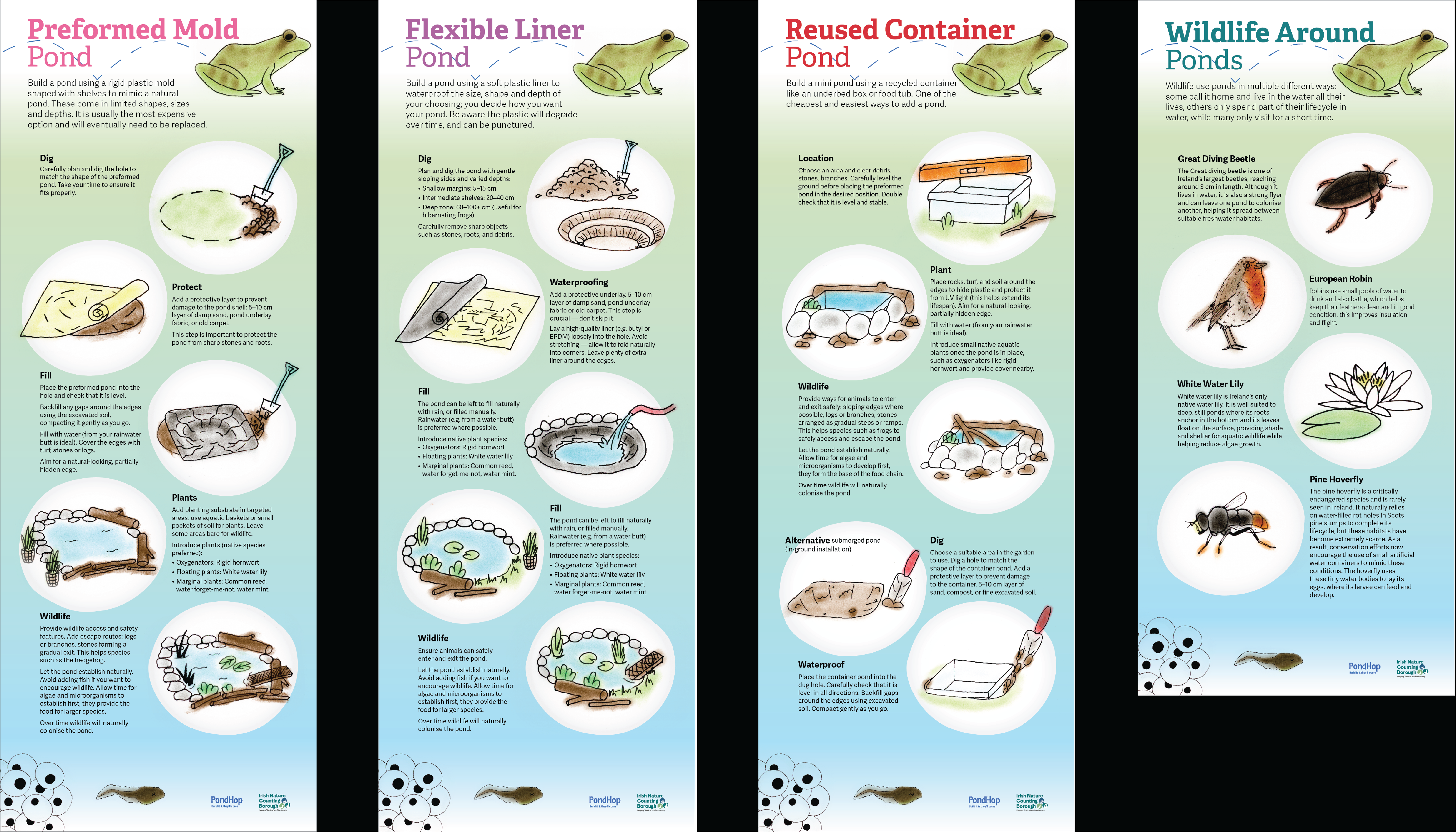
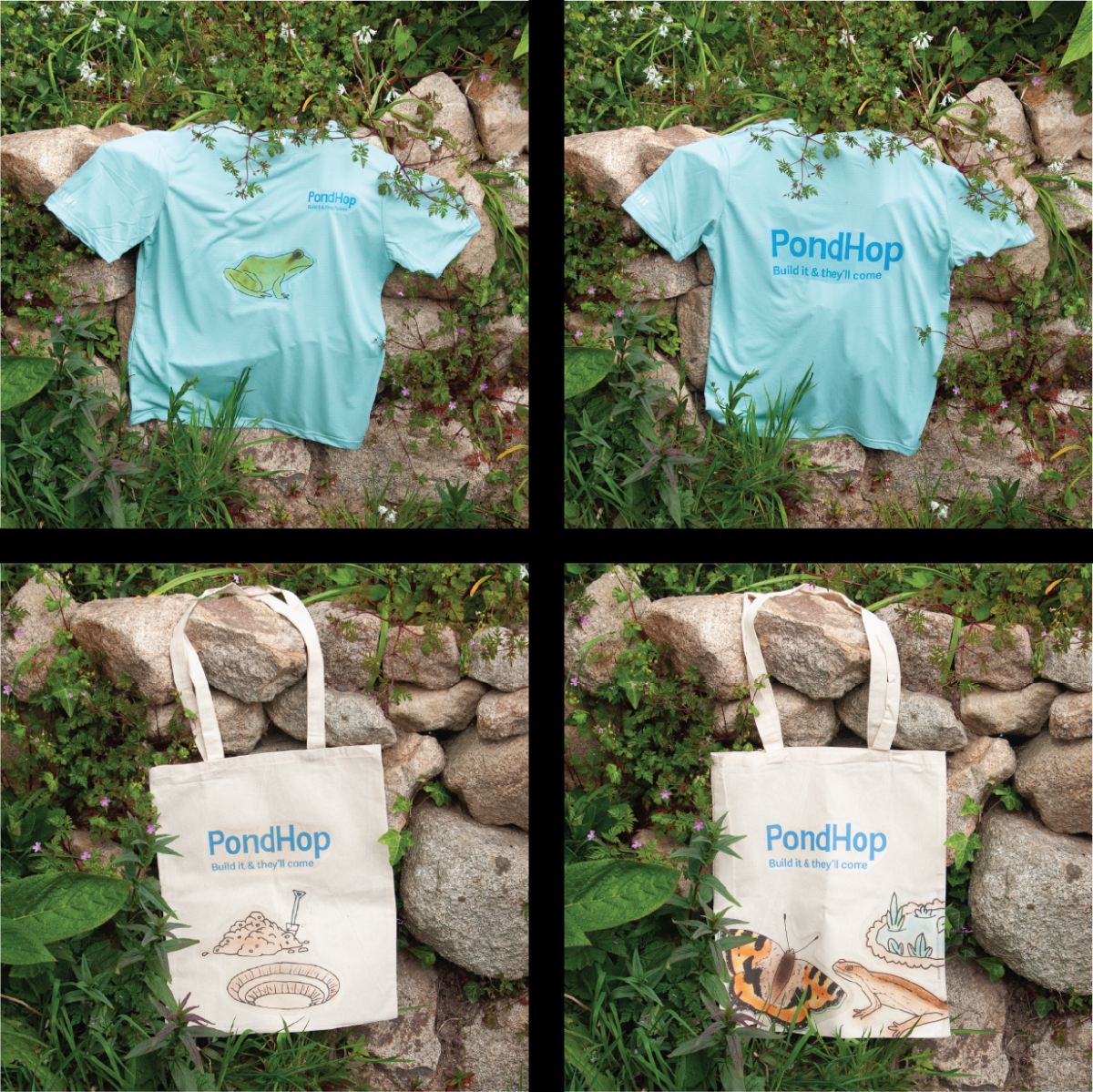
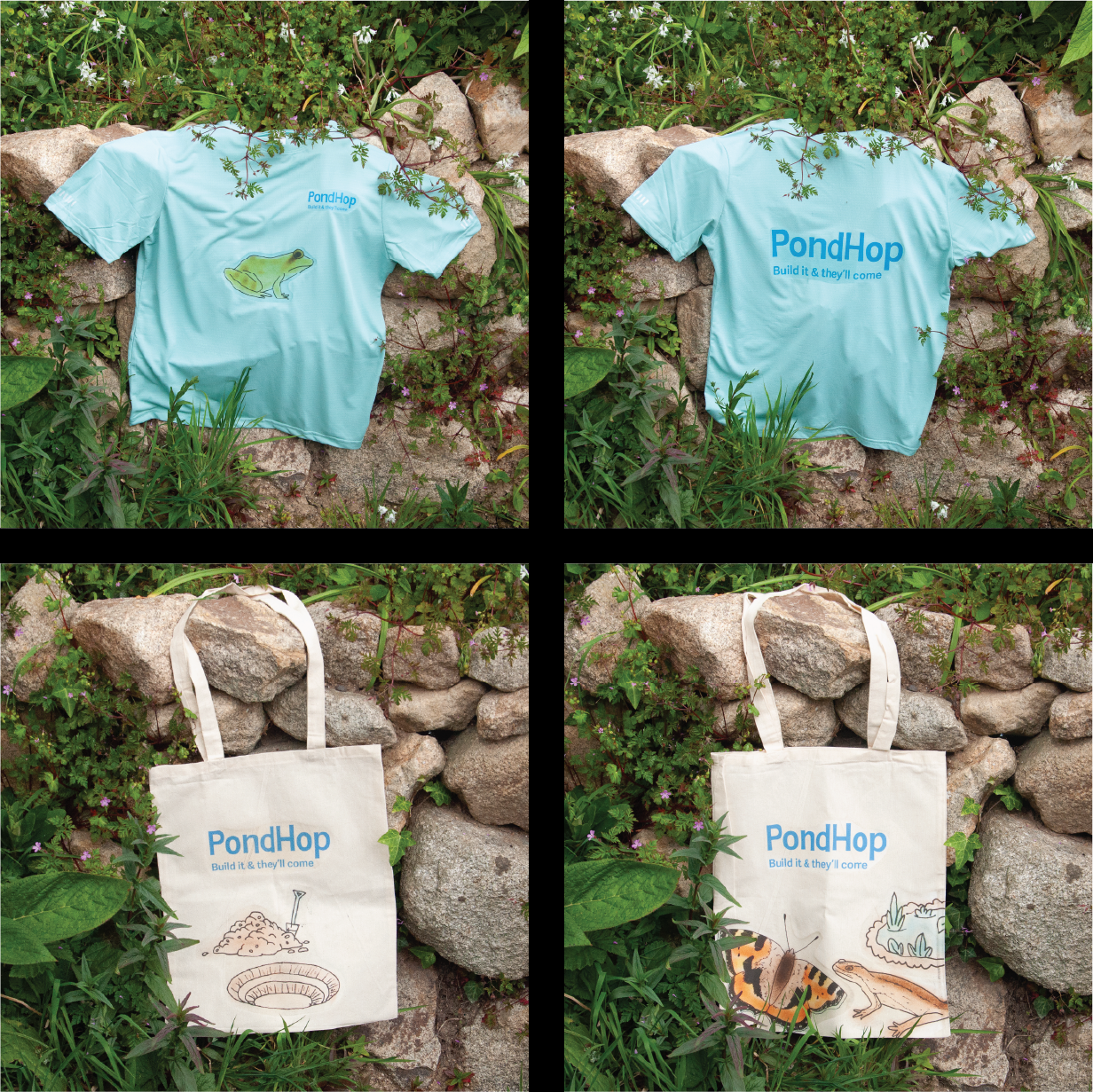
PondHop is a summer pop-up exhibition space touring the island of Ireland and taking place beside existing ponds, such as those in public parks. Operated by the Irish Nature Counting Borough (INCB), the event would be advertised through a campaign of social media graphics and posters. The exhibition aims to give audiences the opportunity to experience pond dipping, empathise with Ireland’s biodiversity loss, and feel encouraged to help by learning more about the importance of ponds and the wildlife they support. The outdoor exhibit would showcase different types of model ponds, alongside information on the advantages and disadvantages of each and guidance on how to add them to a garden. Staff would wear PondHop-branded T-shirts, and visitors could take part in an interactive pond dipping activity area with information displays highlighting a range of wildlife supported by ponds. Visitors would also receive a branded tote bag containing a booklet with instructions on creating different types of garden ponds, a section on pond wildlife, and a grid guide to help plan their own pond at home.
This thesis examines how Ireland’s landscape — including its agriculture, flora, and fauna — has been shaped by the relationship between ecology, culture, and colonial rule. It traces human engagement with the land from sustainable early practices to the disruptions of colonisation, showing how deforestation and the introduction of non-native species have impacted biodiversity. This work highlights how power, aesthetics, and economic priorities have become central to land management. The chapters are supported by visual evidence from case studies such as the All-Ireland Pollinator Plan, The People’s Millennium Forests, and the Red Squirrel Restoration Project, demonstrating how conservation integrates ecological knowledge with public participation. This thesis concludes that effective restoration of biodiversity depends on addressing both ecological challenges and the colonial values embedded in how the Irish landscape is managed and imagined.
Hello! I’m Kerry, an Irish multidisciplinary graphic designer. With previous experience in Zoology and nature conservation, I have a strong desire to design for good and create work with positive impact. I am interested in projects that engage with environmental responsibility and nature-friendly approaches. I enjoy hands-on making and designing user journeys with physical touchpoints, working across digital and physical media to create meaningful experiences. Research is central to my process, helping me develop work with clear reasoning, depth, and intention. I’m excited to continue creating purposeful design that connects people, ideas, and the natural world.